Creating Premium Leisure Accommodation in the UK: What Landowners, Hotels and Retreat Operators Should Consider
What Landowners, Hotels and Retreats Should Consider When Creating Premium Leisure Accommodation in the UK
A premium leisure stay should be planned around the guest first, not the building. Before choosing a cabin, operators should consider the target guest, privacy, wellness features, year-round comfort, sleep quality, outdoor space, site setting, durability and whether the accommodation can justify a premium nightly rate.
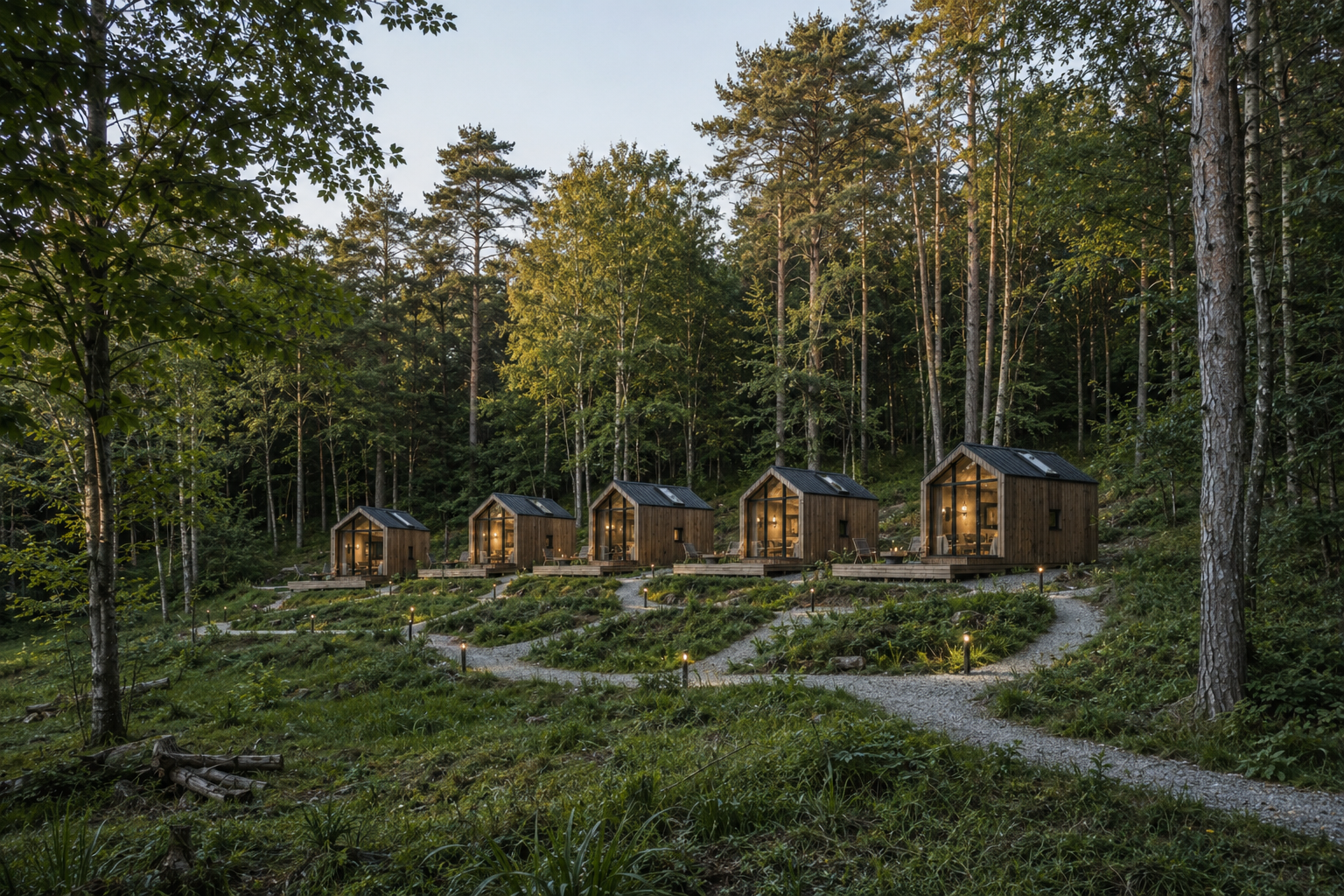
Sky 1 Bedroom Cabin
The UK leisure accommodation market has moved on from novelty alone.
A cabin in a field, a hot tub on a deck or an unusual place to stay can still attract attention, but at the premium end of the market, guests are becoming more selective. They are comparing stays carefully, reading reviews closely and looking for accommodation that gives them more than a different view.
They want privacy. Comfort. Nature. Better sleep. A sense of calm. A reason to switch off properly.
For landowners, hotels, wedding venues, spa operators and retreat hosts, this creates a clear opportunity. Premium leisure accommodation is no longer just about adding more beds to a site. It is about creating a guest experience that feels worth travelling for, paying more for and returning to.
Recent domestic tourism data supports this direction. VisitBritain’s latest domestic tourism results show that spend per overnight trip increased in Q3 2025, with holiday trip spend also rising. This suggests that although guests may be more selective about where they travel, they are still willing to spend when the experience feels valuable.
So before choosing a cabin, lodge or guest suite, the more important question is not simply: “Do we have space for accommodation?”
The better question is: “Can we create a stay that guests will remember, recommend and want to book again?”
That is where premium leisure accommodation begins.
What is premium leisure accommodation?
Premium leisure accommodation is guest accommodation designed around a higher-value experience. It may include cabins, lodges, garden suites, retreat rooms or modular guest spaces, but the quality is defined by more than appearance alone.
A premium stay should feel calm, comfortable, private and well considered. It should suit the setting, support the guest’s reason for visiting and justify its price point through the quality of the full experience.
That means thinking beyond the building itself.
A strong premium leisure stay considers the guest, the site, the season, the view, the materials, the outdoor space, the lighting, the air quality, the acoustics, the warmth, the privacy and the way the whole stay feels from arrival to departure.
For operators, this matters commercially. A beautiful image may win the first booking, but the quality of the stay is what protects the review, the recommendation and the return visit.
Begin with the guest, not the building
Before choosing a cabin or lodge, define the guest you want to attract.
A couple booking a restorative weekend has different expectations from a family looking for a lower-cost summer break. A wellness retreat guest will value different things from a wedding guest staying overnight after an event. A boutique hotel guest staying in the grounds of a beautiful property will expect the accommodation to feel aligned with the main hotel, not like a separate glamping add-on.
This is where many leisure projects lose focus. If the accommodation is designed for everyone, it often ends up feeling specifically suited to no one.
A stronger approach is to decide early whether your stay is designed for:
couples looking for a quiet nature escape
wellness guests seeking rest and recovery
retreat visitors attending yoga, breathwork or spa-led experiences
wedding guests needing high-quality on-site accommodation
hotel guests looking for a more private garden or woodland suite
higher-spending travellers who want nature without compromise
Each guest type has different priorities, and those priorities should shape the layout, specification, outdoor space, privacy and atmosphere of the building.
For example, a couple booking a quiet weekend away may value a private deck, soft lighting, natural materials, a bath with a view, a sauna and a deeply comfortable sleep environment. A spa hotel guest may expect the outdoor accommodation to continue the feeling of the spa itself: warm, calm, private and easy to settle into. A wedding venue may need accommodation that feels special enough for close family or key guests, while still being practical for event weekends.
Once the guest is clear, the building decision becomes easier.
The right space is not simply the one that sleeps the most people or photographs well from the outside. It is the one that best supports the kind of stay your guest is likely to value.
Consider whether wellness is central to the offer
Wellness is no longer a small extra within hospitality. For many premium guests, it is becoming one of the main reasons to book time away.
PoB Hotels’ 2025 wellness commentary reported that a significant majority of travellers are actively seeking wellness activities during their stays, with UK spa breaks and outdoor pursuits among the leading areas of demand. It also makes an important point: wellness is no longer just about booking a treatment or using a pool. It is increasingly about experiences that support both body and mind.
For anyone creating premium leisure accommodation, this distinction matters.
A hot tub, sauna or outdoor bath can help attract bookings, but they do not automatically create a wellness-led stay. The deeper value comes when the whole space feels restorative.
Guests notice the privacy of the deck. The quietness of the room. The warmth underfoot. The softness of the lighting. The view from the bed. The freshness of the air. The way the building connects to the landscape around it.
This is especially relevant for retreats, spa hotels, boutique accommodation, vineyards, wedding venues and rural estates. If the marketing promise is calm, nature, rest or reconnection, the building needs to support that promise physically.
A wellness-led stay should not feel like a standard cabin with a feature added afterwards. It should feel considered from the start.
Treat sleep quality as part of the business case
Sleep is becoming a more serious part of hospitality, especially at the premium and wellness-led end of the market.
Hilton’s 2025 travel trends research found that many luxury travellers are actively choosing hotels with sleep-centric amenities. This reflects a broader shift: guests are not only looking for beautiful rooms; they are looking for spaces that help them rest properly.
For leisure accommodation, this is particularly important because sleep quality is affected by the whole building, not just the mattress.
Temperature stability, acoustic comfort, ventilation, air quality, lighting, privacy, floor solidity and external noise all influence how well a guest rests.
A guest may not know the technical specification behind a building. They may not ask about insulation, ventilation, glazing or acoustic detailing. But they will notice whether the space feels warm, quiet, fresh and settled.
That is why build quality becomes directly linked to commercial performance.
A guest may book because the images look beautiful, but they leave a positive review because the stay felt good. If the room was cold at night, noisy in bad weather, stuffy by morning, too bright, lacking privacy or uncomfortable underfoot, that shapes the memory of the stay.
If the space felt calm, solid, quiet and deeply comfortable, the guest is far more likely to remember it for the right reasons.
For premium leisure accommodation, deeper rest should be seen as part of the business case. It supports guest satisfaction, protects the nightly rate and helps turn a stay into something more meaningful than simply a night away.
Build for year-round guest comfort, not just summer appeal
Many leisure spaces look beautiful in summer photography.
The more difficult question is whether they remain appealing in February, March, October and November.
This matters because the strongest commercial projects are not dependent only on peak-season bookings. They create a reason to visit throughout the year.
For UK sites, this is especially important. Guest accommodation may need to deal with cold winter mornings, damp autumn weekends, windy hillsides, shaded woodland, exposed farmland, heavy rain and increasingly warm summer days.
A cabin that works well in May may not deliver the same experience in November. A space that looks romantic in golden-hour photography may feel very different if the floor is cold, the air is stale or the guest needs to constantly adjust the heating.
Canopy & Stars’ market reporting points towards the same direction, highlighting the growing importance of quality, comfort and more sophisticated builds in the glamping and outdoor accommodation market.
For premium operators, this is useful. Guests still want nature, views and a sense of escape, but they increasingly expect those things without discomfort.
They want to feel close to the landscape, but not exposed to it.
They want something that feels special in summer and still desirable on a wet winter evening.
This is why insulation, glazing, heating, ventilation, acoustics and material quality should not be treated as hidden technical details. They shape the guest experience. A building that feels warm, quiet and solid can support a very different price point from one that feels temporary or seasonal.
Think carefully about saunas, outdoor bathing and wellness features
Saunas, outdoor bathing, cold-water features and private decks can be powerful booking drivers, but they need to be chosen carefully.
The lesson is not that every site should add the same wellness feature. The lesson is that guests respond to a more complete sense of restoration.
A sauna can add value, but only if it feels private, easy to use and naturally connected to the stay. An outdoor bath can be memorable, but only if the guest feels sheltered, comfortable and unobserved. A plunge bucket, outdoor shower or spa-style deck can strengthen the offer, but the setting around it matters just as much as the feature itself.
For premium leisure accommodation, wellness features should feel integrated, not bolted on.
Consider:
the route from the cabin to the sauna
whether the guest feels private when using the deck
the view from the bath or outdoor seating area
evening lighting and low-level floor lighting
shelter from wind and rain
where towels, robes and storage will go
whether the experience feels calm in real use, not just in photographs
A wellness feature should support the guest journey. It should make the stay feel more restorative, not more complicated.
Make the outdoor space work as hard as the interior
Decking and outdoor space are often treated as optional extras, but in premium leisure accommodation they should be considered part of the main guest experience.
A well-designed deck extends the usable space, creates a stronger connection to nature and gives the guest somewhere to sit, read, eat, cool down after a sauna or simply enjoy the view.
This is particularly important for smaller cabins. A compact interior can still feel generous if it opens onto a well-positioned, private outdoor area. In the same way, a larger unit can feel underwhelming if it has no meaningful relationship with the landscape around it.
Guests rarely judge a stay by internal square metres alone. They judge how the whole space feels.
For hotels, wedding venues and retreats, outdoor space also helps the accommodation feel like part of the wider grounds. The deck, pathway, planting, lighting and view all influence whether the cabin feels settled and intentional, or simply placed on spare land.
At the premium end of the market, that distinction matters.
Use what the site already gives you
A strong leisure stay is rarely created by the building alone. It is created by the relationship between the building and the site.
Before investing in accommodation, look carefully at what your site already offers.
A hotel may have gardens, a spa, a restaurant or an existing guest base. A wedding venue may have unused grounds and a clear reason for people to stay overnight. A landowner may have woodland, water, views, walking routes or a quiet field edge. A vineyard may have food, drink and a strong sense of place. A retreat may already offer yoga, breathwork, cold-water practices, treatments or woodland walks.
These existing features can help turn a cabin into a premium stay.
The accommodation should not be treated as an isolated product. It should enhance what is already special about the site.
A guest should understand why staying there offers something different from a standard hotel room, a generic holiday rental or a basic glamping pod.
Choose quality that supports the price point
At the premium end, quality cannot be superficial.
Guests can usually sense when a building is lightweight, noisy, synthetic or poorly detailed, even if they cannot explain exactly why. They notice whether the floor feels solid, whether the space stays warm, whether the bathroom feels generous, whether the air feels fresh and whether the materials feel natural.
This matters because the price point needs to feel justified.
If the photography suggests calm, luxury and restoration, the physical experience needs to deliver the same feeling. A premium leisure stay should make the guest feel that the quality of the building matches the promise of the marketing.
Long-term quality is also important for the operator. Better materials, stronger construction and a more durable specification can help protect the stay over time. A space that looks tired quickly, requires constant maintenance or feels dated after a few seasons will struggle to maintain a premium rate.
For landowners and hospitality operators, the decision should not only be about the upfront cost of the building. It should also consider how the space will feel after repeated commercial use.
Will it still feel premium in five years?
Will guests still feel calm when they step inside?
Will the building still support the rate you want to charge?
Those questions are just as important as layout and style.
Questions to ask before choosing premium leisure accommodation
Before choosing a cabin, lodge or guest suite, ask:
Who is the guest we most want to attract?
What will make this stay worth travelling for?
Is wellness central to the offer, or simply an add-on?
Will guests sleep well here?
Will the space feel warm and comfortable beyond summer?
How will the building manage ventilation and air quality?
Will the cabin feel quiet and solid inside?
Is the outdoor space private, useful and connected to the view?
Does the design suit the site, or could it belong anywhere?
Will the building still feel premium after repeated guest use?
Does the accommodation support the price point we want to achieve?
These questions help shift the decision from “which building looks best?” to “which space will create the strongest guest experience?”
That is the better foundation for a premium leisure project.
Conclusion: premium leisure accommodation should feel worth returning to
Creating premium leisure accommodation in the UK is not simply about choosing a cabin and placing it in an attractive setting.
The stronger opportunity lies in understanding what higher-value guests are now seeking: comfort, nature, wellness, privacy, sleep quality and a stay that feels genuinely worth travelling for.
Domestic guests are still willing to spend when the experience feels valuable. Wellness is becoming a major travel motivator. Sleep quality is increasingly part of the hospitality conversation. Outdoor accommodation is becoming more sophisticated, with stronger demand for solid, comfortable, year-round structures and well-considered wellness features.
For landowners, hotels, retreats and hospitality operators, this means accommodation should be planned around the guest experience from the beginning.
The building, deck, sauna, view, materials, lighting, air quality and sense of quiet all play a part in whether the stay feels premium.
A successful leisure stay should not feel like temporary accommodation with attractive styling. It should feel like a carefully considered hospitality space: warm, quiet, solid, natural and restorative.
That is what helps guests remember the stay, recommend it to others and return again beyond the summer season.
Explore SOMR Spaces
At SOMR Spaces, we create wellness-led cabins and restorative guest accommodation for landowners, retreat hosts, boutique hotels, wedding venues and hospitality operators who want to offer something more considered than traditional glamping.
Our spaces are designed for deeper rest, year-round comfort, natural materials, acoustic calm and nature-connected guest experiences.
Explore the SOMR Spaces Collection to discover premium leisure accommodation designed not only to look beautiful, but to feel restorative from the moment your guests step inside.
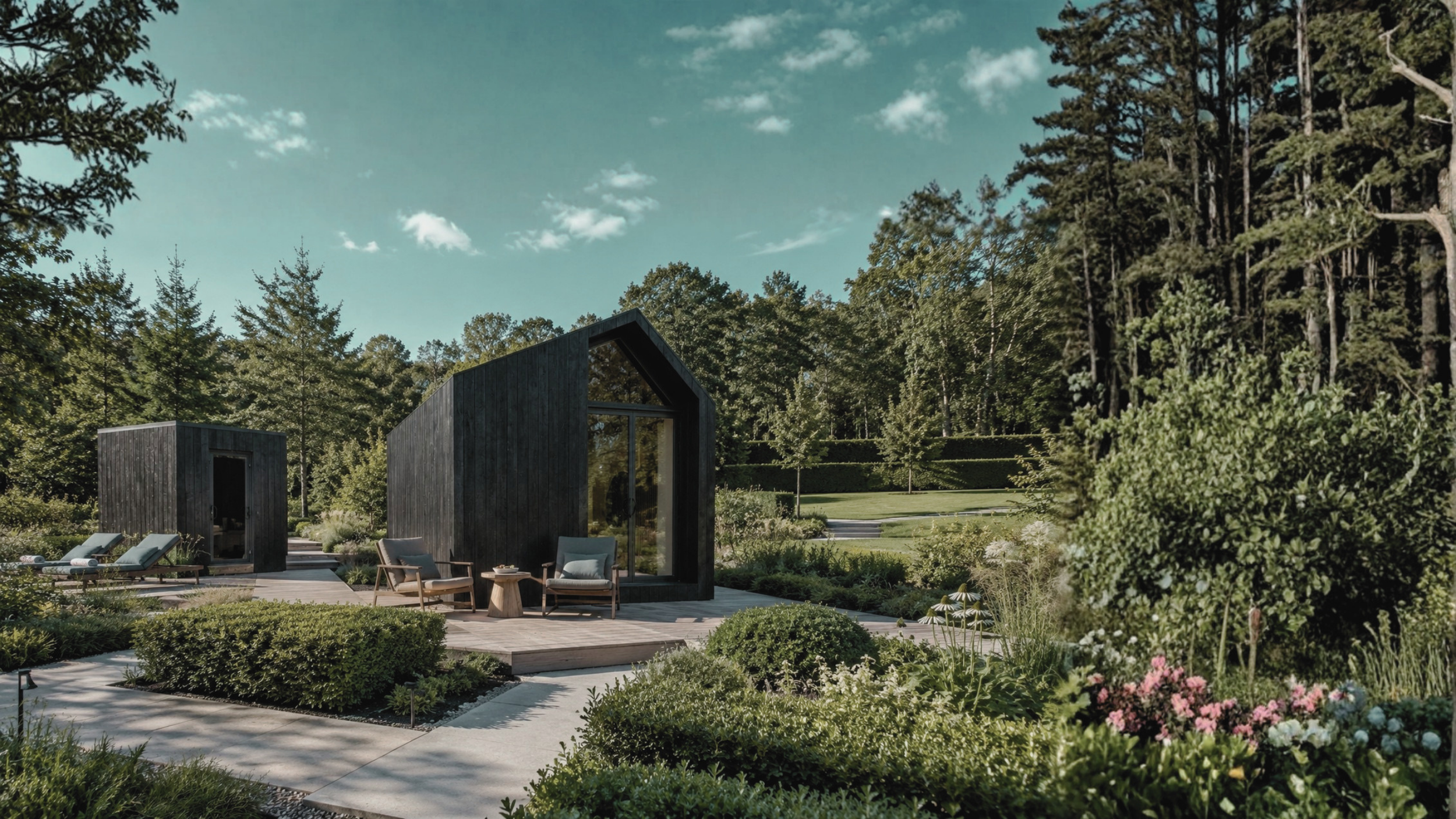
Nest 1 bedroom cabin
FAQ
What is premium leisure accommodation?
Premium leisure accommodation is guest accommodation designed to offer a higher-quality stay, often through better comfort, privacy, design, materials, outdoor space and guest experience. It may include cabins, lodges, garden suites or retreat accommodation.
What should landowners consider before adding cabins to their land?
Landowners should consider the target guest, planning route, site access, utilities, privacy, views, year-round comfort, maintenance, outdoor space and whether the accommodation can support the price point they want to achieve.
Are wellness features important for premium guest accommodation?
Wellness features such as saunas, outdoor bathing, cold-water areas and private decks can add value, but they work best when integrated into the whole guest experience. The building itself should still feel warm, quiet, fresh and restorative.
Why is year-round comfort important for leisure accommodation?
Year-round comfort helps operators create guest stays that feel desirable beyond summer. In the UK, accommodation needs to perform in colder, wetter and more varied conditions, especially if the site wants to attract premium guests in autumn, winter and spring.
What makes a leisure cabin feel premium?
A leisure cabin feels premium when it is solid underfoot, quiet inside, comfortable across the seasons, well ventilated, naturally finished, private and carefully connected to the landscape around it.
Is premium leisure accommodation suitable for hotels and wedding venues?
Yes. Premium cabins or lodges can help hotels and wedding venues add high-quality guest accommodation within their grounds, especially where the aim is to create private, memorable stays that feel aligned with the wider hospitality experience.
Useful Sources
Market and domestic tourism data: VisitBritain domestic overnight trips and domestic tourism toplines.
Glamping and nature-stay trends: Canopy & Stars Glamping Market Report 2024.
Wellness travel data: PoB Hotels 2025 wellness trends.
Sleep tourism data: Hilton 2025 trends.